
How Nigerian Marketers Can Track Social Campaign Links With UTMs
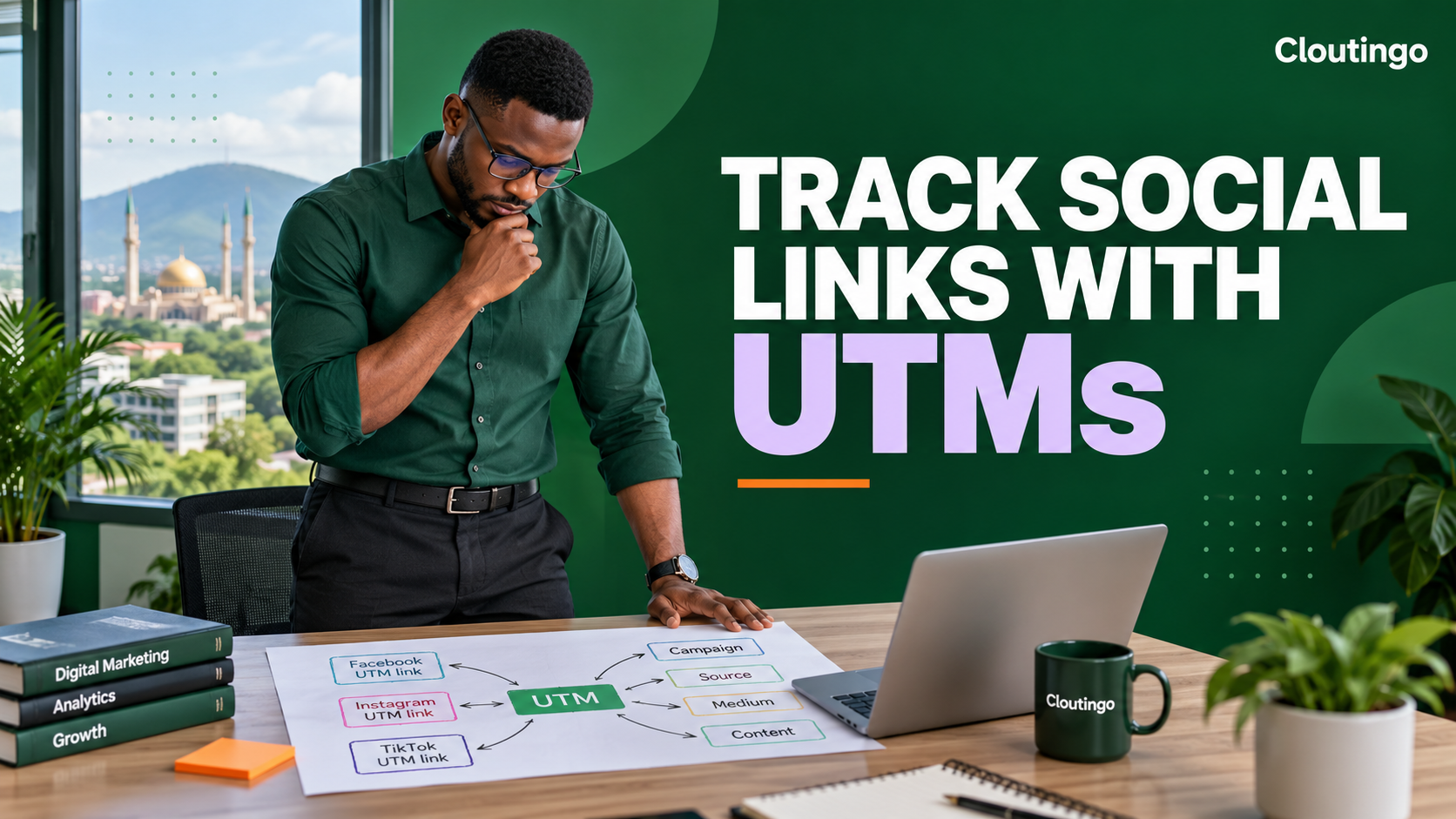
UTM parameters are short labels added to a website URL so an analytics tool can identify which campaign link brought a visit. Nigerian marketers can use them to separate traffic from Instagram, TikTok, Facebook, email or partner promotions. The useful part is not the long URL. It is the consistent naming system behind it.
A UTM link records referral information when someone clicks it and the destination site is configured to collect analytics. It does not identify every person, prove that a click caused a sale or measure activity that never reached the website.
Know the four fields most social campaigns need
Google Analytics defines several UTM parameters. For a straightforward social campaign, these four are usually enough:
utm_source: the platform or referrer, such asinstagramortiktok;utm_medium: the channel type, such asorganic_socialorpaid_social;utm_campaign: the shared campaign name; andutm_content: the specific creative, placement or version.
Google’s current campaign URL guidance recommends using utm_source, utm_medium and utm_campaign when adding campaign parameters. It also explains that values are case-sensitive, so Instagram and instagram can appear as separate reporting values.
Create the naming rules before creating links
Write a small convention that everyone on the campaign can follow. For example:
- use lowercase letters;
- use hyphens between words;
- spell each platform the same way every time;
- reserve
organic_socialfor unpaid placements; - reserve
paid_socialfor advertising placements; and - give every creative a short, descriptive content label.
The exact convention can differ between organisations. Consistency matters more than whether you choose hyphens or underscores. Document the choice and do not alternate between both.

Work through one complete campaign example
Imagine a hypothetical Lagos food festival selling tickets from one landing page. The campaign name is lagos-food-festival-2026. The team will share a chef interview on Instagram, a venue tour on TikTok and an event reminder on Facebook.
The Instagram link could use:
utm_source=instagram
utm_medium=organic_social
utm_campaign=lagos-food-festival-2026
utm_content=chef-interview
The TikTok version keeps the campaign name but changes the source and content:
utm_source=tiktok
utm_medium=organic_social
utm_campaign=lagos-food-festival-2026
utm_content=venue-tour
This structure lets the reporting group related visits under one campaign while preserving the platform and creative difference. The example values are illustrative and do not represent a real Cloutingo campaign.
Start from the final destination URL
Confirm the landing page before adding parameters. Open it, check that the page loads on mobile and complete the intended action yourself. A perfectly tagged link cannot fix a broken registration form or an outdated offer.
Use the final public destination rather than an editing preview, private document or temporary redirect. If another team controls the website, confirm which domain and page should receive campaign traffic.
Use a URL builder to reduce syntax errors
You can add UTM parameters manually, but a campaign URL builder reduces mistakes with question marks, equal signs and ampersands. Google provides a Campaign URL Builder for website links.
After generating the URL, read every value before distributing it. A builder can format what you enter, but it cannot know that instgram is a typing error or that another team called the same campaign foodfest-26.
Test the exact link that will be published
Paste the completed URL into a fresh browser window and verify that it reaches the intended page. If you use a link shortener, bio-link page or redirect service, test the final shortened version too. Confirm that the destination retains the campaign parameters or that the analytics setup captures the referral as intended.
Do not publish a raw test link containing names, email addresses or other personal information. UTM values can remain visible in the address bar and may be stored in analytics and server records.
Keep one campaign-link register
A shared register prevents two team members from inventing different labels. Useful columns include:
- destination page;
- source;
- medium;
- campaign;
- content label;
- final tagged URL;
- owner;
- date checked; and
- planned placement.
This register is a measurement asset, not a content calendar. Its purpose is to preserve the exact link distributed in each placement.

Read the results in the right report
Google says custom campaign values can be reviewed in the Traffic acquisition report through dimensions such as session source, session medium and session campaign. The website must have an appropriate analytics setup, and reporting may be affected by consent choices, browser restrictions and configuration.
Compare like with like. If one platform link ran for two days and another ran for three weeks, raw visit counts do not make a fair creative comparison. Note the dates, placement and spend where relevant.
Separate traffic evidence from business outcomes
A tagged visit shows that the link contributed referral information. It does not automatically show that the person bought a ticket, requested a quote or became a long-term customer. Connect traffic reporting to the appropriate on-site actions if your measurement setup supports them.
Also investigate unexpected zeroes carefully. A link may have received no clicks, but the cause could also be a broken redirect, incorrect tag, analytics configuration issue or reporting delay. Test before drawing a campaign conclusion.
Keep promotion and measurement as separate decisions
UTM links measure website referrals. They do not create reach. If a campaign later uses a social media visibility service, review the current Cloutingo service catalogue and choose only a listing that matches the intended platform and metric. Purchased likes, views or followers do not guarantee website visits or conversions.
Read the specific listing and current Cloutingo terms before ordering. If the conditions suit the campaign, you can create an account. Keep the order record separate from your campaign-link register so each system answers one clear question.
Build one clean link set
Choose one upcoming campaign and define the source, medium, campaign and content names before making any URL. Generate each link, test its destination and save it in the register. A disciplined UTM system will not explain every customer decision, but it can replace vague “social media sent traffic” reports with clearer campaign evidence.