How Nigerian Creators Can Build a One-Page Media Kit
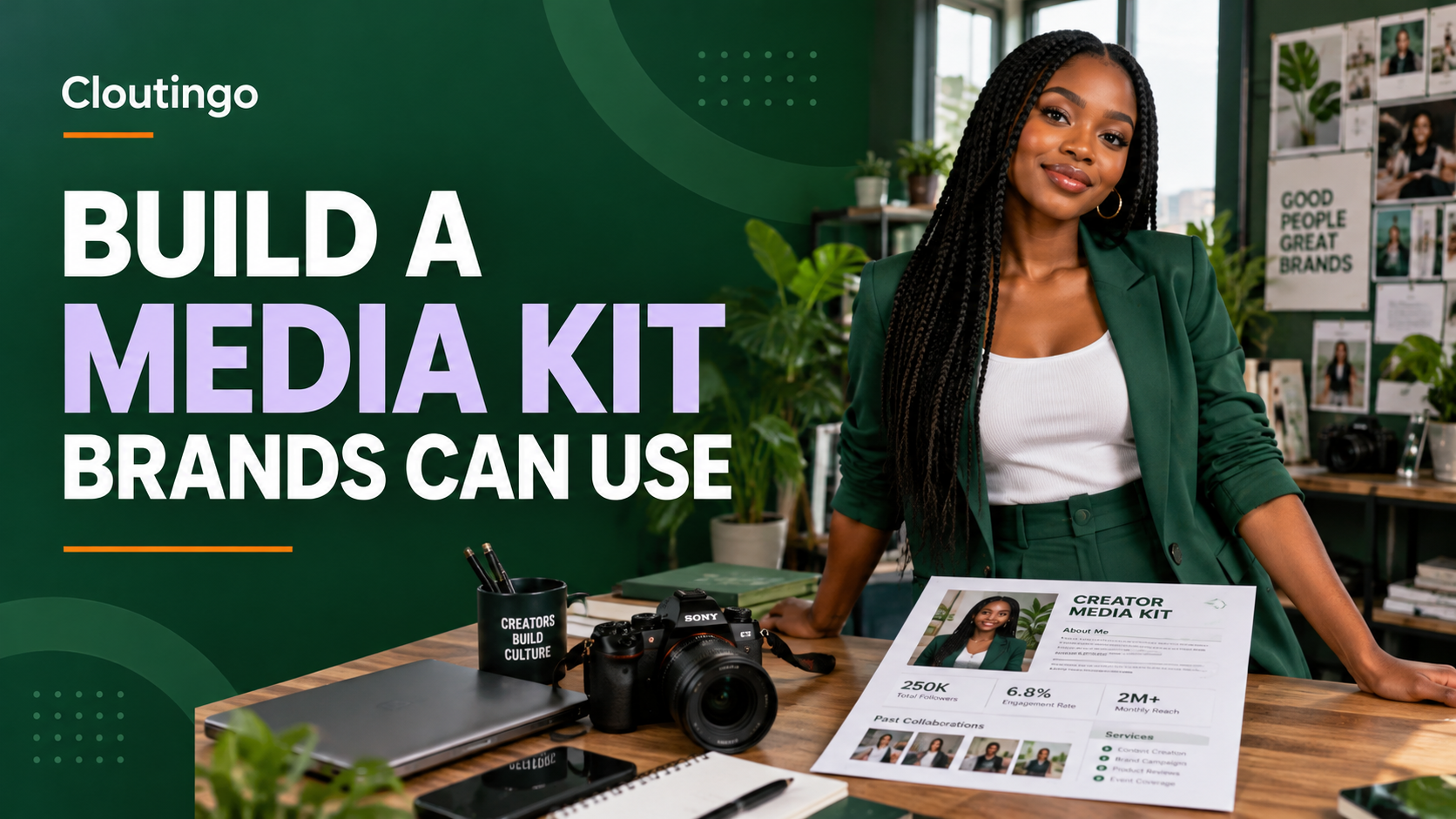
A strong creator media kit is a one-page document that helps a brand understand who you reach, what you make, what you can deliver and how to contact you. Keep it selective. Use current, verifiable figures, three relevant work samples and clear collaboration options. A busy brand manager should be able to decide whether to continue the conversation in less than two minutes.
Your media kit is not a long biography and it is not a promise that every campaign will perform the same way. It is a practical sales document. For Nigerian creators pitching local or international brands, clarity matters more than decoration.
Start with the decision the brand needs to make
Before opening a design tool, decide what kind of work you want. A food creator seeking restaurant partnerships needs a different page from a technology reviewer pitching product demonstrations. Write one sentence that describes your offer and audience.
For example: “I create clear, practical skincare videos for Nigerian women aged 20 to 34 who want affordable routines.” This is specific enough to guide the rest of the page. “I am a lifestyle influencer who loves brands” is too broad to help a buyer.
Your headline should combine three things:
- your name or creator name;
- your main subject or format; and
- the audience you understand.
A useful headline could be “Ada Okoye | Lagos food video creator for young professionals.” It tells a prospective partner what Ada makes and who the work is for without exaggerated claims.
Choose audience evidence that a buyer can interpret
Show only figures you can verify from your current platform analytics. Label the reporting period and platform. A follower count without context says little about whether your audience fits the campaign.
Consider including:
- total followers or subscribers on the platform you are pitching;
- top audience locations when the platform provides them;
- age ranges or gender distribution when relevant and available;
- average views for a defined recent set, such as your last ten comparable videos; and
- one interaction measure that matches your work, with the calculation stated.
Do not combine numbers from unrelated platforms into one impressive-looking total. Do not call paid reach organic. If a figure includes a promoted post, label it. If your audience data is still small, lead with the quality of your work, your niche and a well-defined production offer instead of filling the page with weak statistics.

Use three samples with different jobs
A portfolio section should not be a collage of everything you have posted. Pick three examples that answer different buyer questions.
- Style sample: the piece that best represents your visual or editorial identity.
- Brief sample: work that shows you can explain a product, visit or service clearly.
- Response sample: a post with a useful outcome you can document accurately, such as qualified enquiries, link clicks or strong completion among a defined audience.
For each sample, add one short line explaining the assignment and your contribution. “Scripted, filmed and edited a 35-second product demonstration” is more useful than “Amazing collaboration.” If you worked with a team, state your role instead of taking credit for the whole production.
Describe deliverables as products
Brands need to know what they can commission. Name the deliverable, its basic scope and the main variable that affects the fee. Examples include one edited vertical video, a three-frame Story sequence, event coverage for a stated number of hours, or a set of product photographs.
Do not squeeze a full contract into the media kit. Usage rights, exclusivity, revisions, travel, raw files and deadlines deserve a separate written agreement. The media kit should open the discussion, not settle every commercial term.
You can display a starting price, a range or “rates available on request.” Choose the option that fits how standardised your work is. If every brief changes substantially, a fixed public price may create confusion. If you do list a fee, specify the currency and what it covers. A naked naira figure invites assumptions.
Make commercial disclosure part of your professionalism
If a partnership involves payment, gifts, free products, affiliate commission or another exchange of value, the platform may require disclosure. Meta’s current Instagram branded-content guidance says creators should use the paid partnership label for branded content, including relevant gifted products and affiliate links. Check the current rule for the platform and campaign before publishing.
A short line in your media kit can say that sponsored work will follow applicable disclosure requirements. That reassures serious partners without turning the page into a policy document.
Design for scanning, not admiration
One page forces useful decisions. Use a clear reading order:
- name, niche and audience;
- current audience evidence;
- selected work samples;
- available collaboration formats; and
- contact details and portfolio link.
Use one or two typefaces, generous spacing and high contrast. Compress images enough for email without making them blurry. Export a PDF and give it a practical filename such as ada-okoye-media-kit-october-2026.pdf. A dated filename helps both you and the recipient recognise the current version.

Run a buyer test before sending it
Ask someone who understands marketing, but does not know your work well, to review the page for sixty seconds. Then ask five questions:
- What type of creator am I?
- Who is my audience?
- What can a brand hire me to make?
- Which sample is most relevant?
- How should the brand contact me?
If the answers are unclear, fix the page before adding more content. The problem is usually hierarchy, vague wording or too many samples.
Update the kit on a fixed rhythm
Audience data and portfolio quality change. Add a “last updated” month and review the document every three months or after a major shift in your work. Remove old figures rather than placing new numbers beside them. Check that links open, contact details work and featured posts are still public.
Keep a master file with evidence for every claim. Save screenshots or exports of the relevant analytics period in your private records. This makes future updates faster and helps you answer a buyer’s question without guessing.
Use promotion after your profile and pitch agree
A media kit is strongest when the public profile supports the same positioning. Your bio, recent posts and featured work should make sense together. If you later use a visibility service, compare the current Cloutingo service catalogue with your platform, content and audience goal. A service can support a chosen metric, but it cannot prove brand fit or guarantee a partnership.
You can also read other practical ideas on the Cloutingo blog. When your profile and portfolio are ready, create an account only if a current service description matches the campaign you have planned.
Build the first useful version today
Write your one-sentence positioning, export current audience evidence and choose three portfolio samples. Put those elements on one clean page before worrying about decorative details. The best creator media kit is the one a suitable brand can understand, verify and act on.