
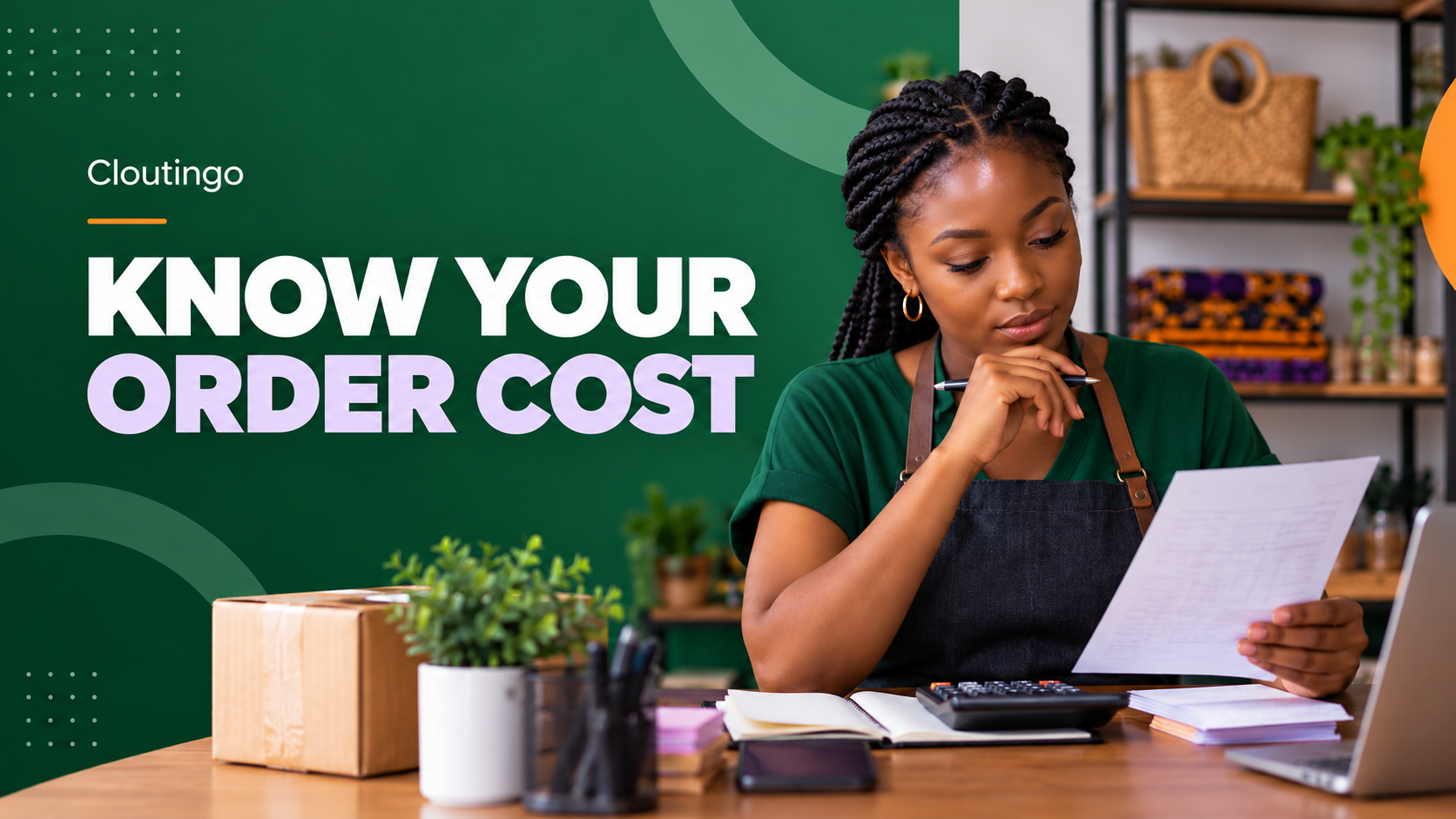
How to Calculate Your SMM Panel Order Cost
To calculate an SMM panel order priced per 1,000, multiply the displayed rate by the quantity you want, then divide by 1,000. For example, a hypothetical rate of ₦2,400 per 1,000 gives a cost of ₦600 for 250 units. Check the currency, minimum quantity and final charge before you pay.
An SMM panel is a self-service platform for ordering social media promotion services. At Cloutingo, our service catalogue shows a Rate/1000 column alongside minimum and maximum quantities. Use those details together. A low headline rate does not tell you whether a service fits your budget or goal.
What a rate per 1,000 actually means
The rate is the price for a block of 1,000 units of the selected service. A unit could be a view, like or another item named in that listing. It is not automatically the price for your whole order, and it is not a monthly subscription unless the description says so.
For an ordinary quantity-based order, the calculation is:
Order cost = rate per 1,000 × order quantity ÷ 1,000.
Keep the currency unchanged while you calculate. If the rate is displayed in dollars, the result is in dollars. Multiplying by 250 does not turn a dollar rate into naira. Any conversion needs a separately confirmed exchange rate and any applicable payment charges.

A worked example with a hypothetical naira rate
Suppose a service costs ₦2,400 per 1,000 and accepts your intended quantity. These figures are illustrative, not current Cloutingo prices.
| Quantity | Calculation | Illustrative cost |
|---|---|---|
| 100 | ₦2,400 × 100 ÷ 1,000 | ₦240 |
| 250 | ₦2,400 × 250 ÷ 1,000 | ₦600 |
| 500 | ₦2,400 × 500 ÷ 1,000 | ₦1,200 |
| 1,000 | ₦2,400 × 1,000 ÷ 1,000 | ₦2,400 |
The same method works above 1,000. An order for 1,500 units at this hypothetical rate costs ₦3,600. For an order below 1,000, divide the rate into the fraction you need. You are buying one quarter of 1,000 when you order 250.
The calculation only applies if that quantity is allowed and the service uses this pricing basis. Subscriptions, packages and services with additional inputs need their own description checked. Treat the final order charge as a separate check rather than assuming every listing follows one formula.
Work backwards from the amount you can afford
You can also estimate a quantity from a spending limit:
Affordable quantity = available budget × 1,000 ÷ rate per 1,000.
With an illustrative ₦1,800 budget and a ₦2,400 rate, the result is 750 units. That is a mathematical ceiling before any additional costs. It is not a recommendation to order 750, and it does not override the service's minimum or maximum.
If the minimum were 1,000, this hypothetical service would not fit that budget. If the maximum were 500, you could not submit 750 as one ordinary order. Recheck the quantity rather than forcing the budget into an unsuitable listing.
Compare services by fit before price
Start with the action you need, the platform and the required link. A profile service and a post service can have similar names while accepting different destinations. Write down the exact service name before comparing rates.
Next, check the audience description. A broad international service is not interchangeable with a specifically described country-targeted service. Do not assume that a Nigerian business ordering a service will receive Nigerian viewers or potential buyers.
Then compare delivery information and after-delivery conditions. A stated start estimate concerns when processing may begin. It does not tell you when the full quantity will finish. Read any refill description separately: a refill concerns eligible losses under stated conditions, not a promise of permanent engagement or sales.
Return to the current service details when you are ready to choose. Prices and descriptions can change, so an old screenshot or a friend's previous charge is not enough to confirm today's order.
Keep a promotion budget separate from your business budget
For a Nigerian online seller, a promotion expense competes with photography, data, packaging and other practical needs. An order can be affordable on paper and still leave too little money to serve customers properly.
Imagine a shop owner sets aside ₦10,000 for a small content experiment. One possible plan is ₦4,000 for preparing product material, ₦2,000 for data and production expenses, and ₦4,000 held for a later promotion decision. This is a planning example, not a recommended allocation or an estimate of local market prices.
The useful habit is to decide the total limit first. Do not increase it just because the unit rate looks small. You can choose to spend nothing on a service when its audience, method or terms do not suit your objective.

Check what the purchase can and cannot achieve
A purchased engagement count is not evidence of organic interest, qualified enquiries or paying customers. Keep those outcomes in different columns when you review your spending. If your goal is product enquiries, record enquiries instead of treating every added view as a lead.
Platform rules also matter. For example, YouTube prohibits artificial inflation of engagement metrics. A service being listed does not make its use compliant with every social network. Check the relevant platform rules before deciding whether to buy.
Your final cost check
- Confirm the service and required destination link.
- Read the currency attached to the rate.
- Check the pricing basis and permitted quantity.
- Calculate the expected cost and compare the final charge.
- Read the delivery and after-delivery conditions.
- Keep a record of the amount, service and order reference.
If the final charge differs from your calculation, stop and clarify the difference before submitting. Check for a different quantity, currency or pricing basis. Guessing at the reason can turn a small budgeting mistake into an unwanted order.
Before you fund an account, review Cloutingo's terms and refund conditions. If the service and costs fit your needs, create your Cloutingo account and confirm the live details before ordering.